Kasai Rinkai Park
Last Updated on 6 May 2026
Tokyo is many things at once: neon labyrinth, ramen haven, and a city where trains run with clockwork precision. Yet it rarely advertises itself as a birding destination. Take a train towards the edge of the city, and you’ll find a place where the pace unwinds and land gently gives way to water.
Kasai Rinkai Park feels like two worlds stitched together. On one side: lawns, families, cyclists, a sea aquarium, and a giant Ferris wheel. On the other: ponds, reed beds, and tidal flats, where migratory birds outnumber people.

For birdwatchers like us, the highlight is the Sea Bird Sanctuary—a free-access area that covers roughly a third of the park. Woven through it are shaded woodland paths that lead to discreet bird hides, perfect for quietly watching the marsh birds go about their day.

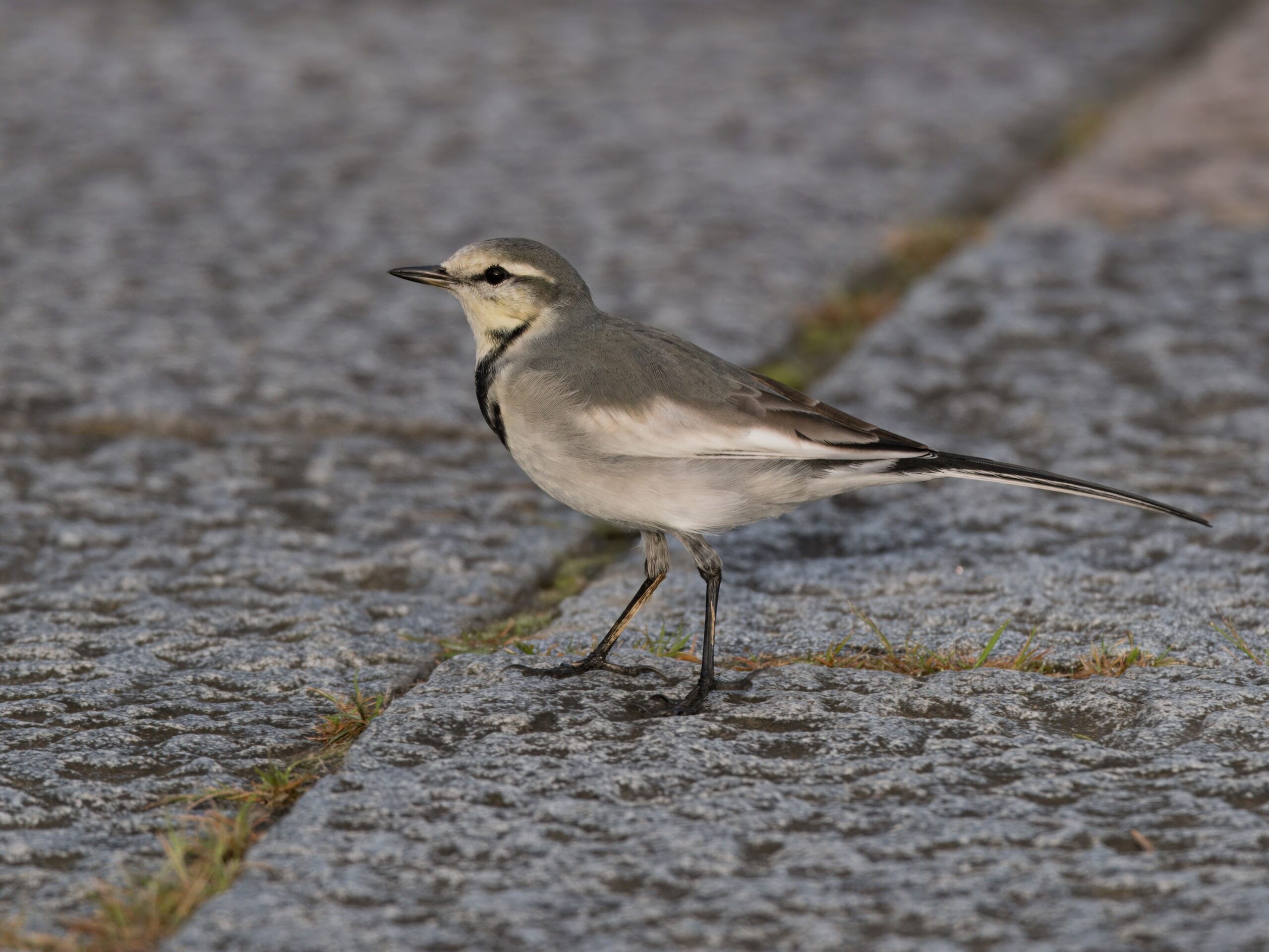
Greeting us right at the entrance was a White Wagtail, its trademark tail bobbing as if cheerfully ushering us inside.
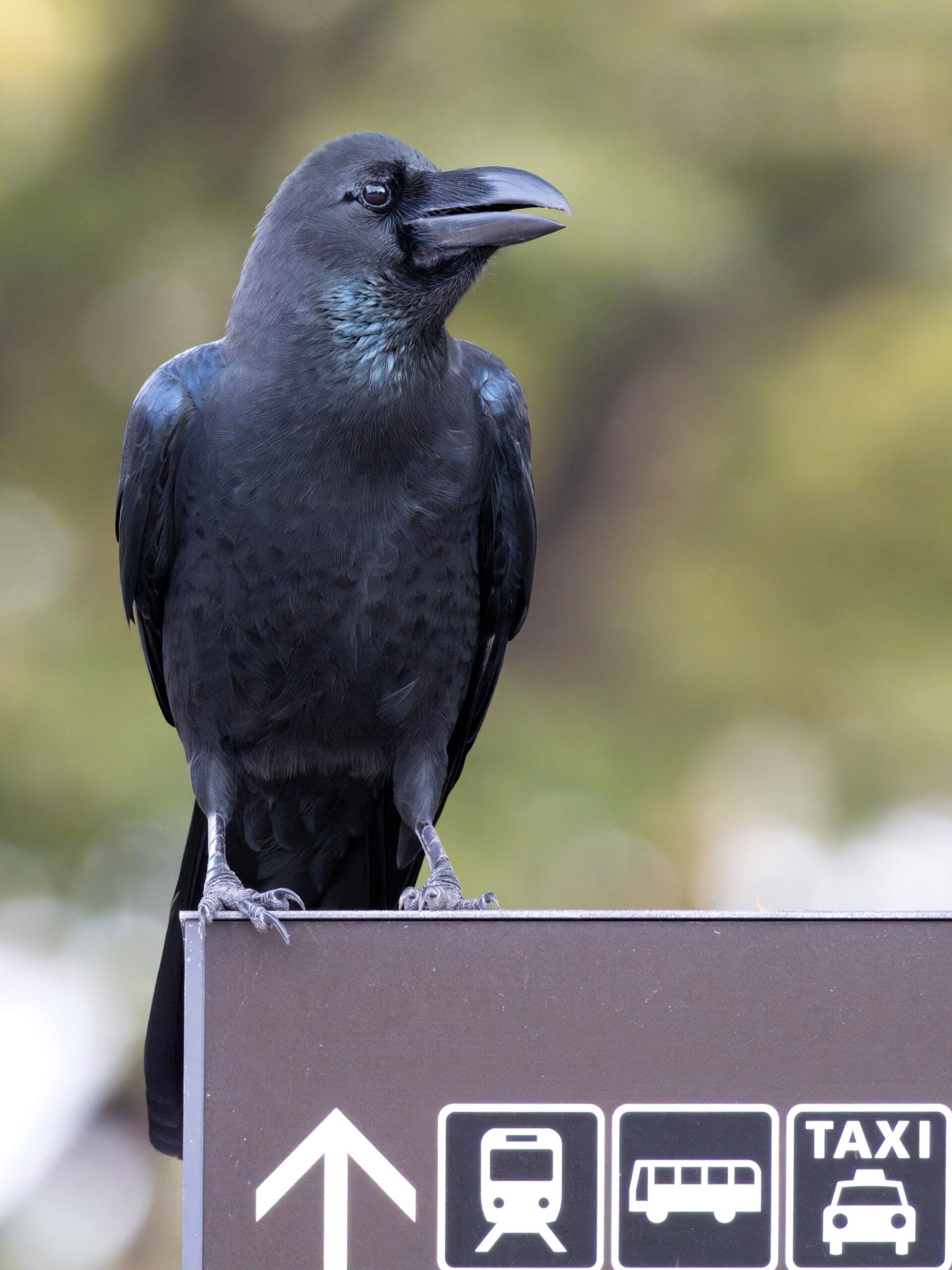
A Large-billed Crow stood by, poised to take on the role of guide, helpfully pointing the way to the birdwatching area.
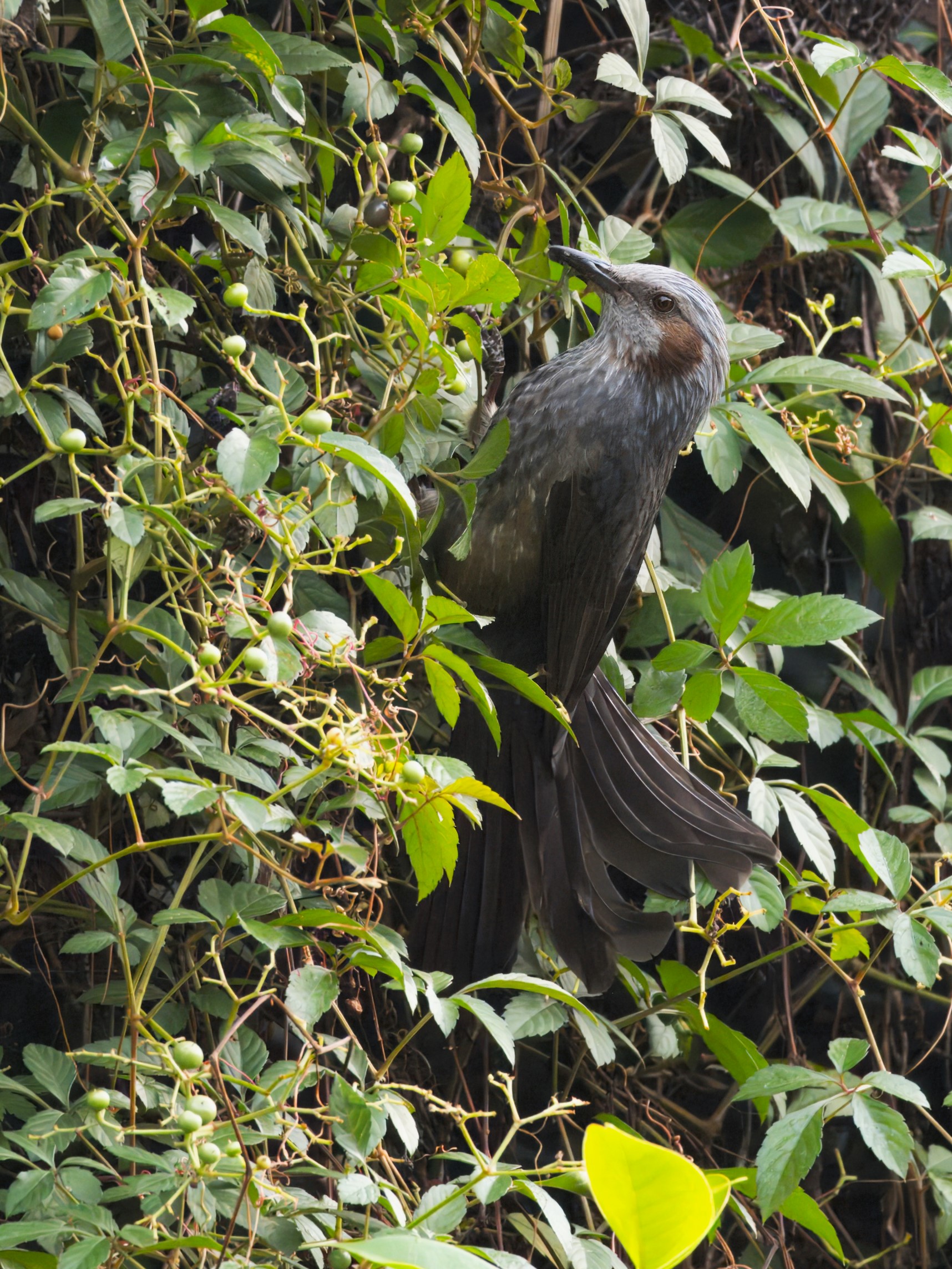
Meanwhile, playful Brown-eared Bulbuls zipped about, announcing themselves with their sharp, high-pitched screeches.
Brimming with excitement, we set off eagerly to meet the wild birds that make this park their home.
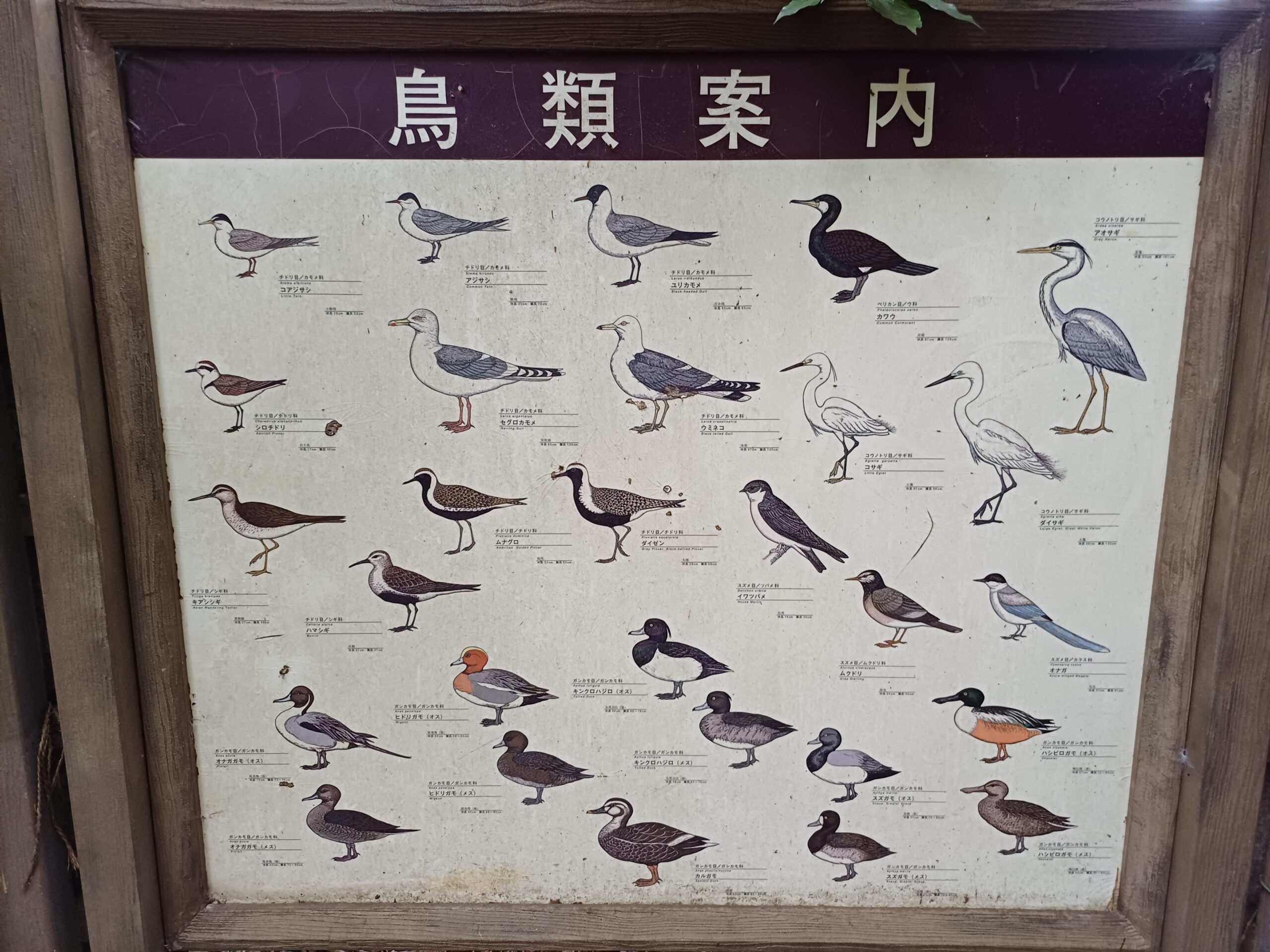
A simple map of the birdwatching areas within the Sea Bird Sanctuary…

…led us through ponds and marshes…

…dotted with well-placed bird hides, ideal for discreetly observing the water birds.

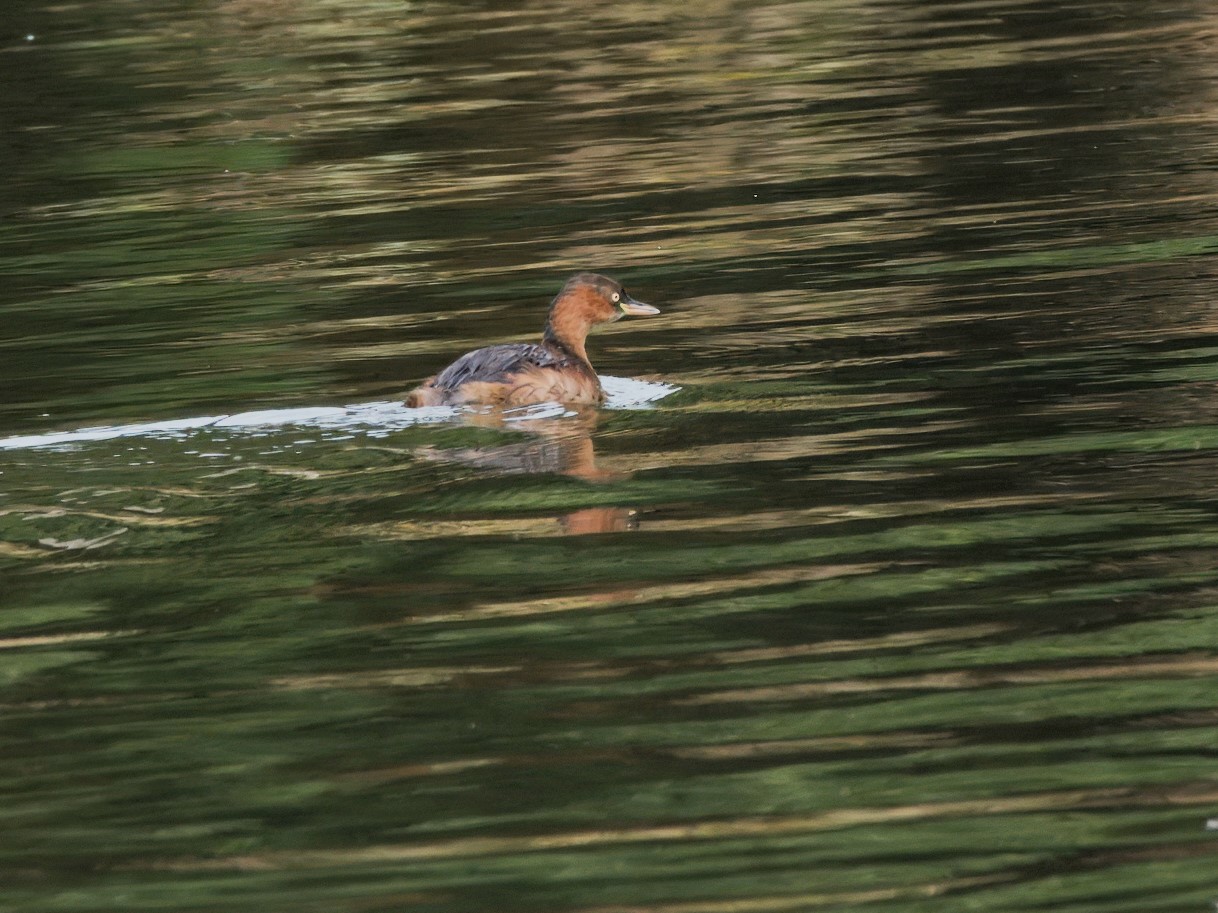
From these vantage points, we spied on water birds like the Little Grebes…
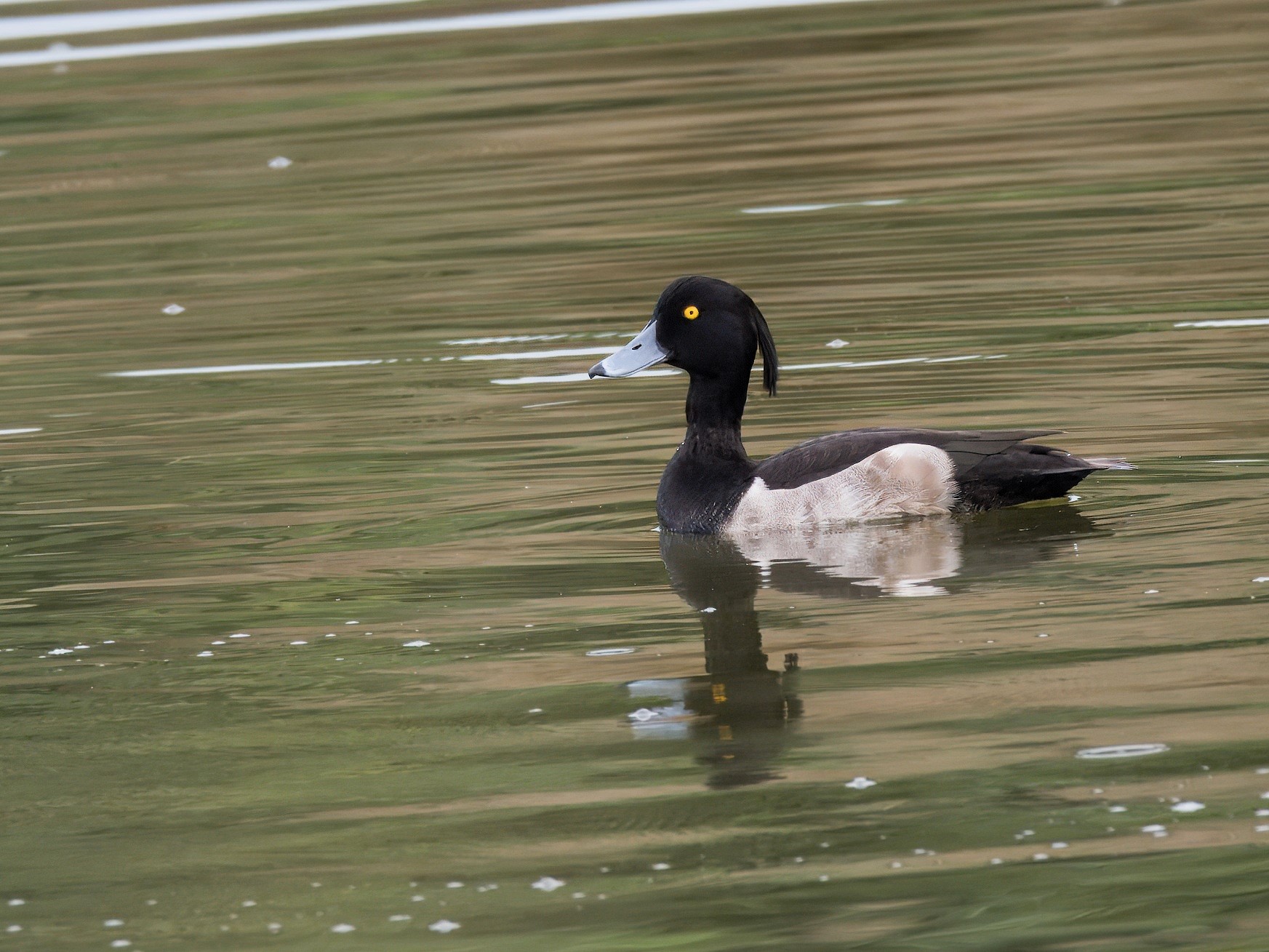
…the Tufted Ducks…
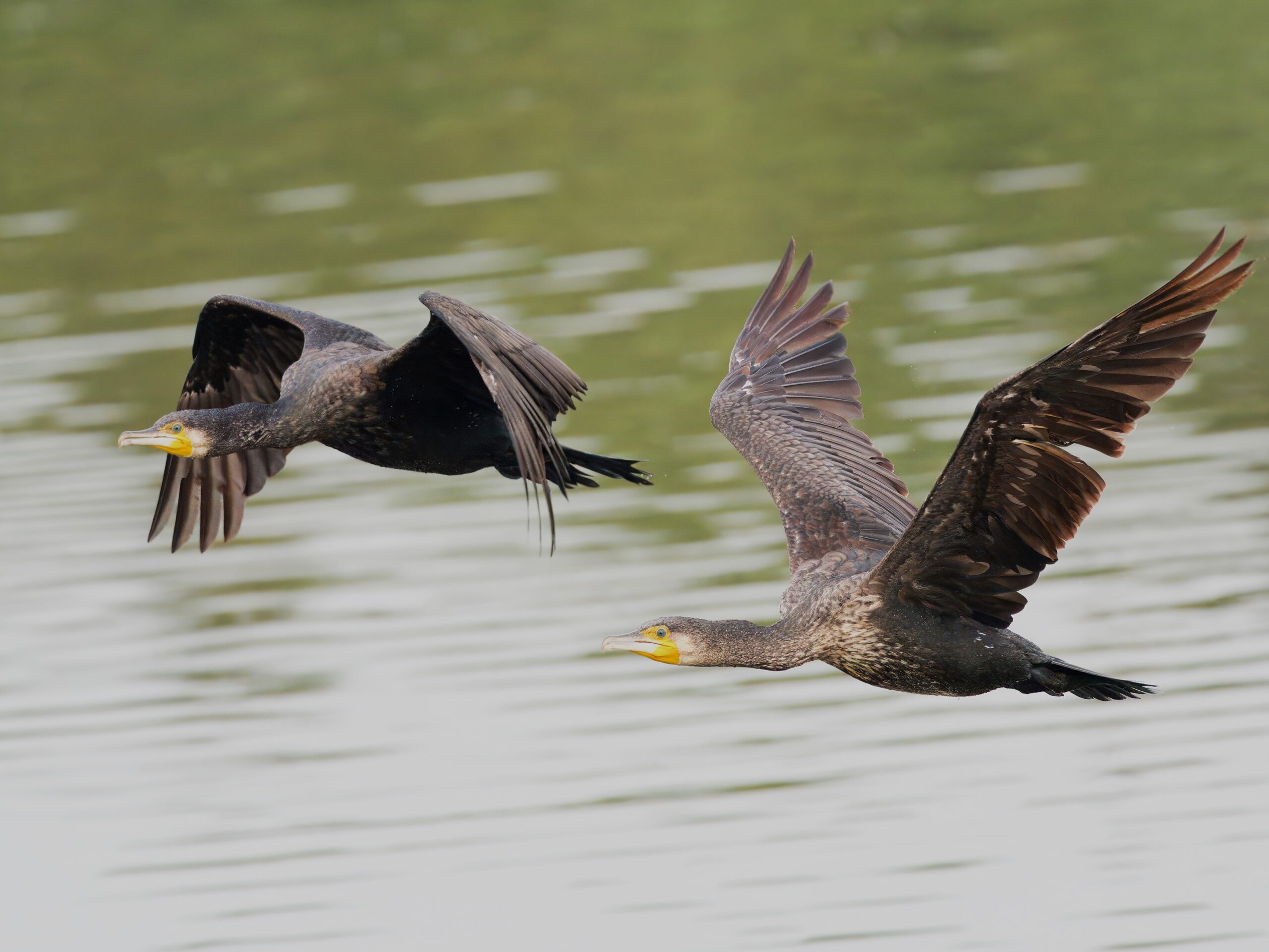
…the Great Cormorants…
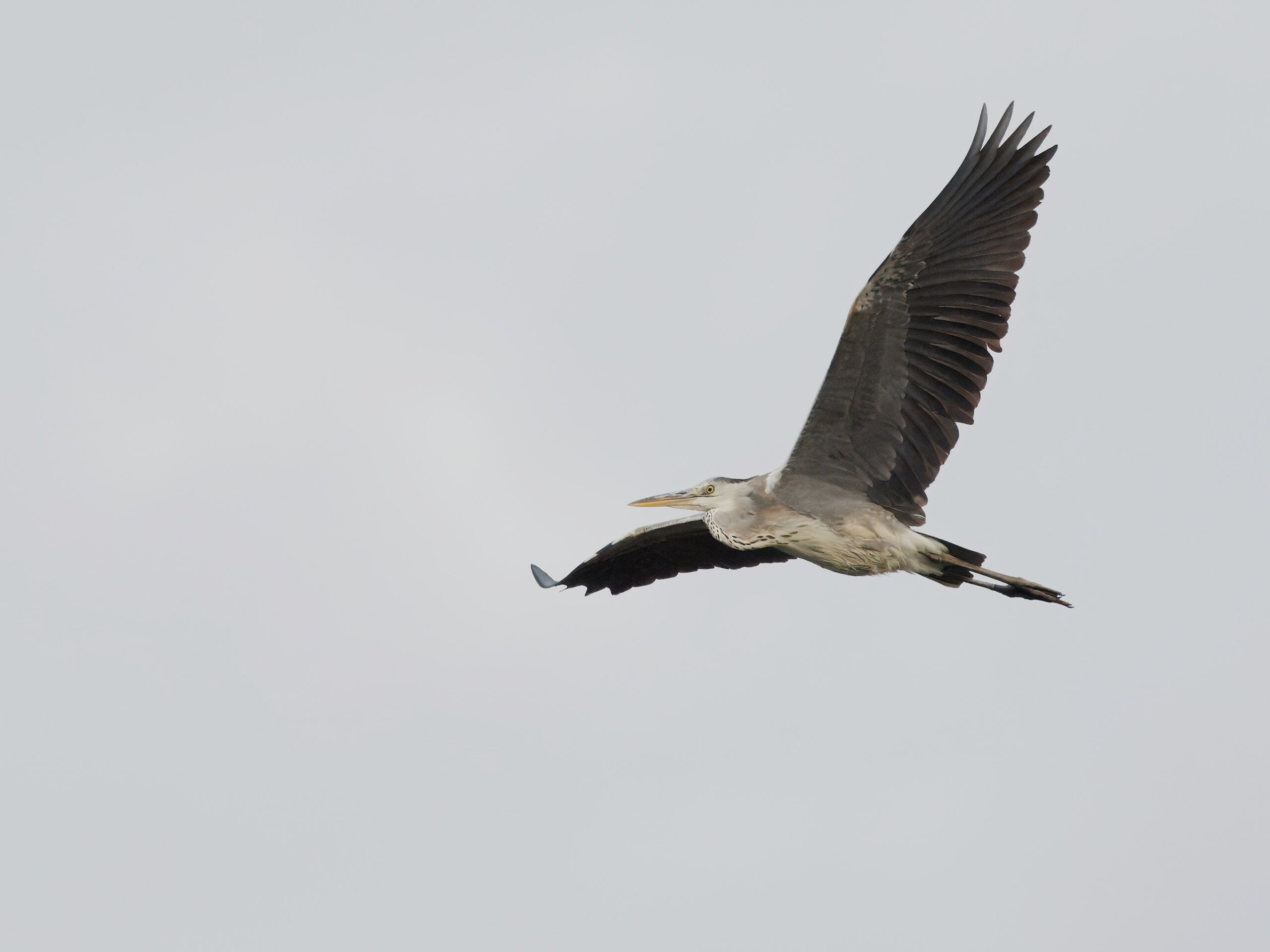
…and the Grey Herons, going about their routines.
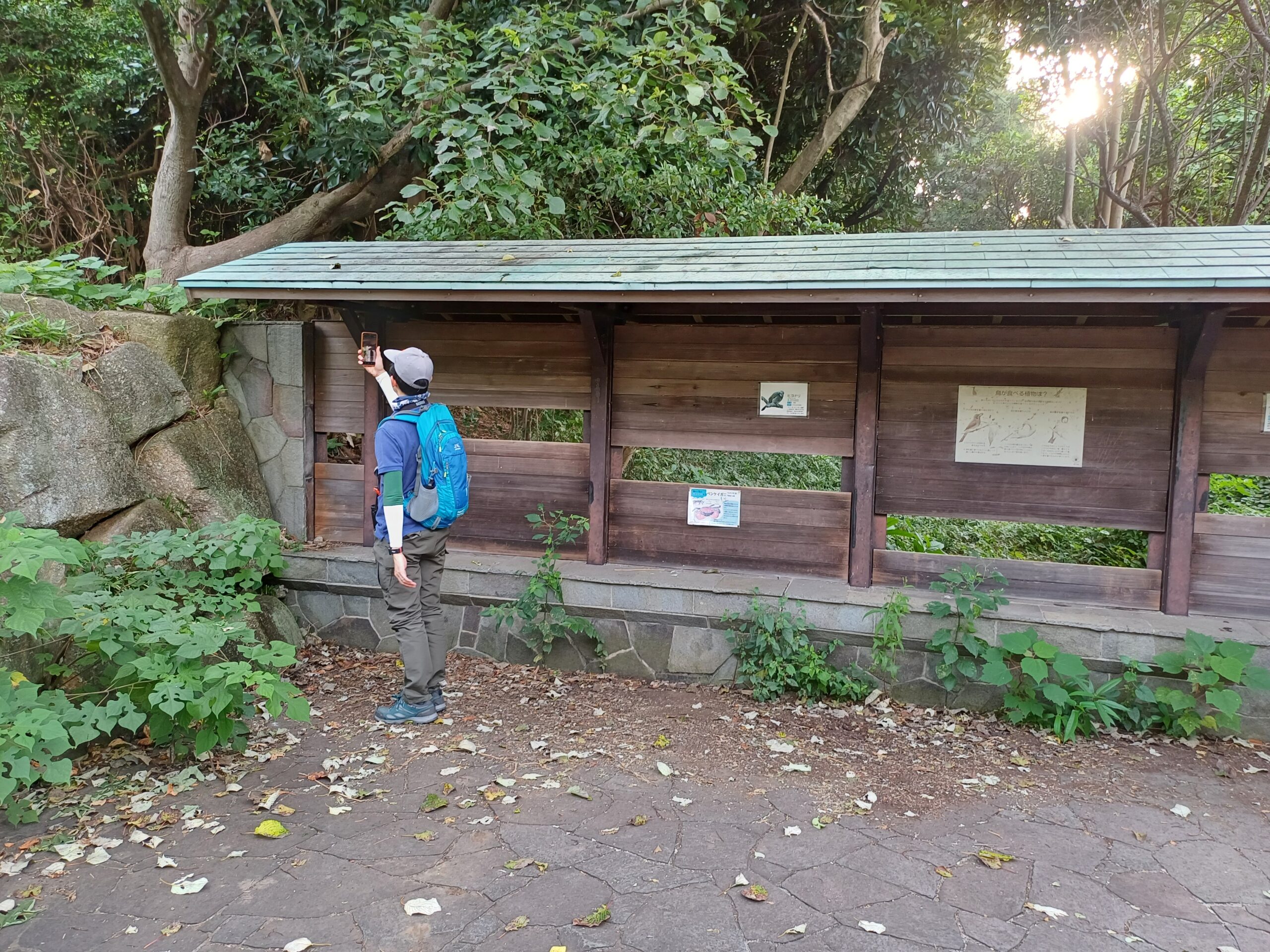
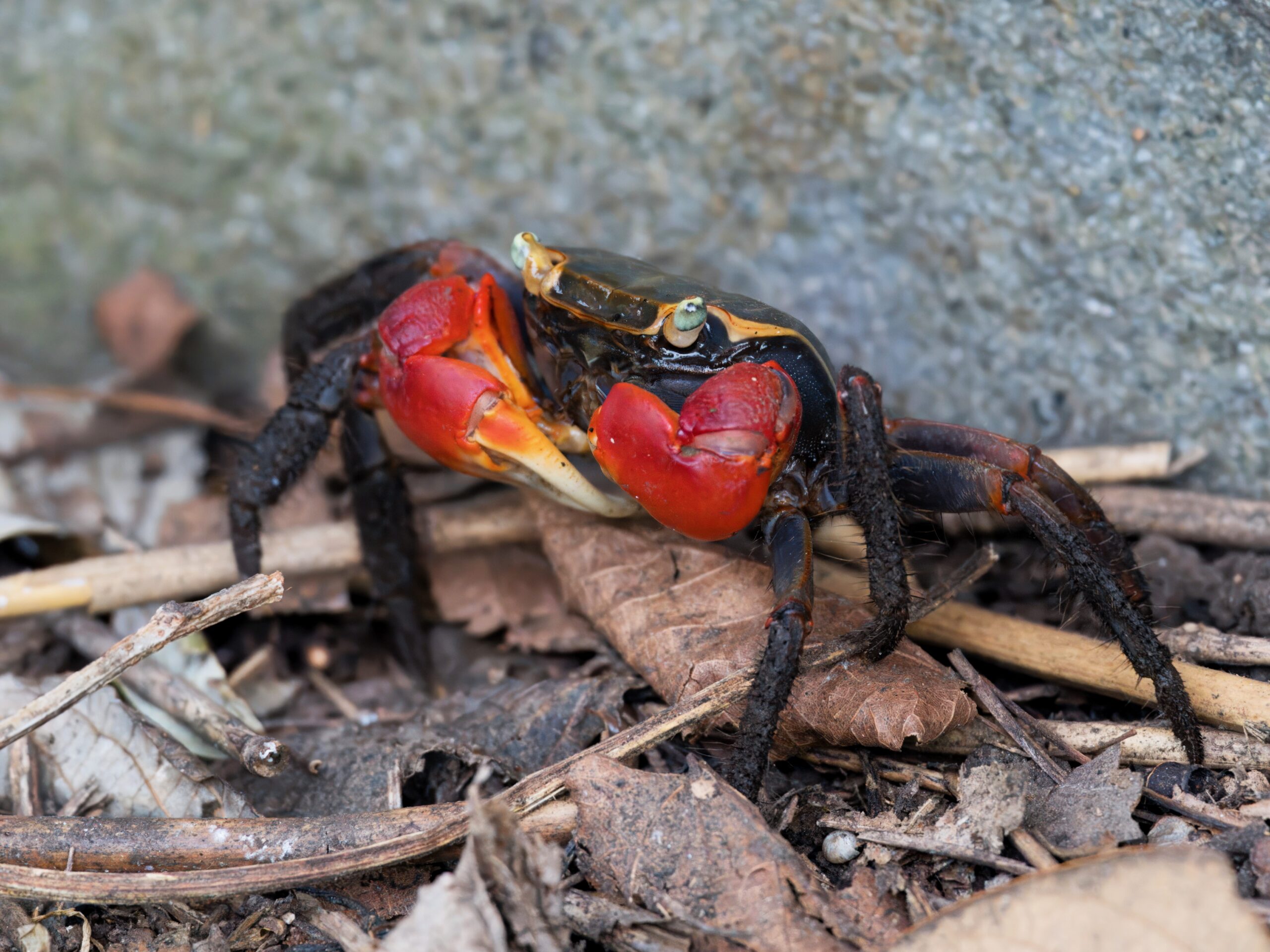
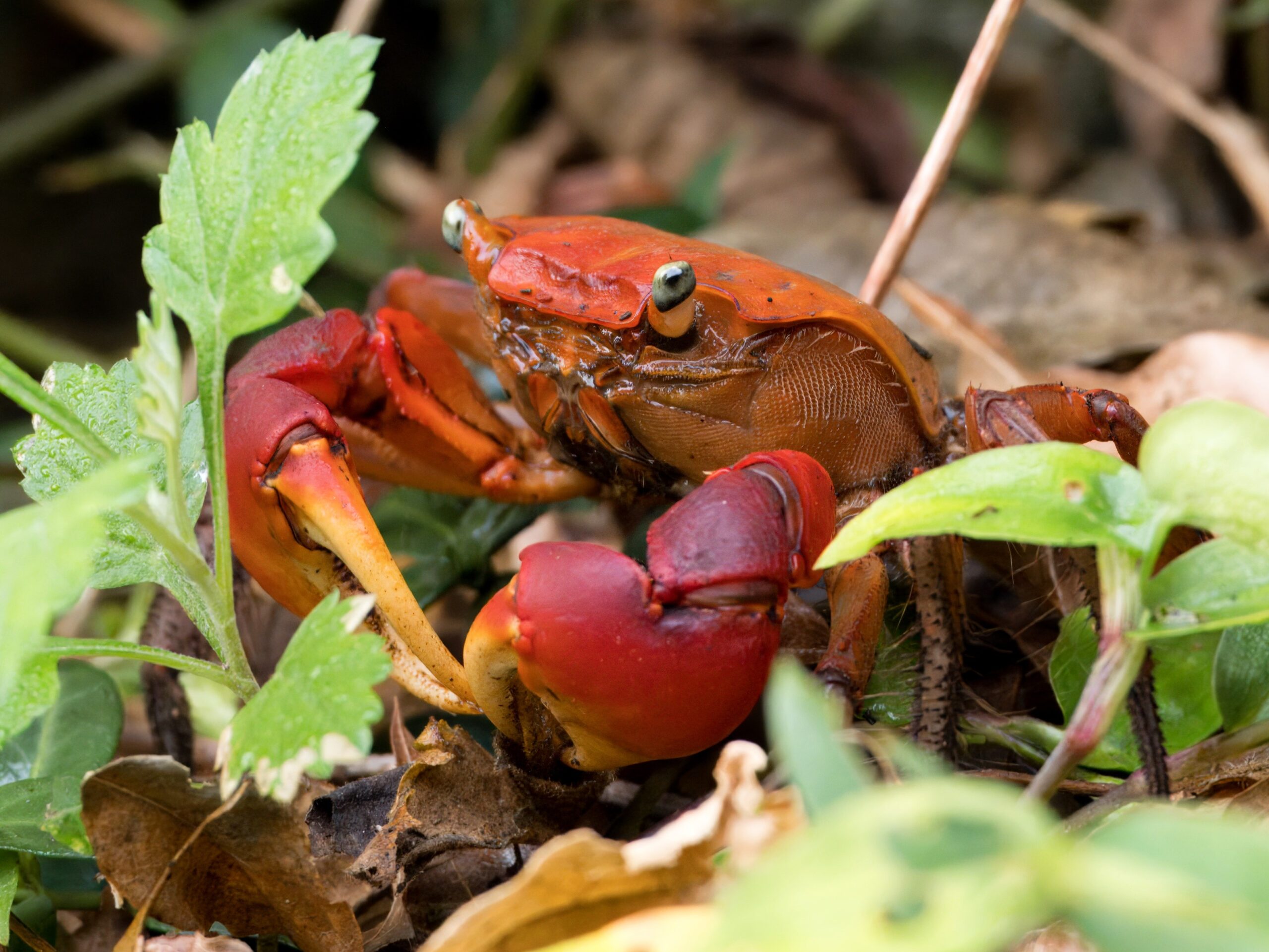
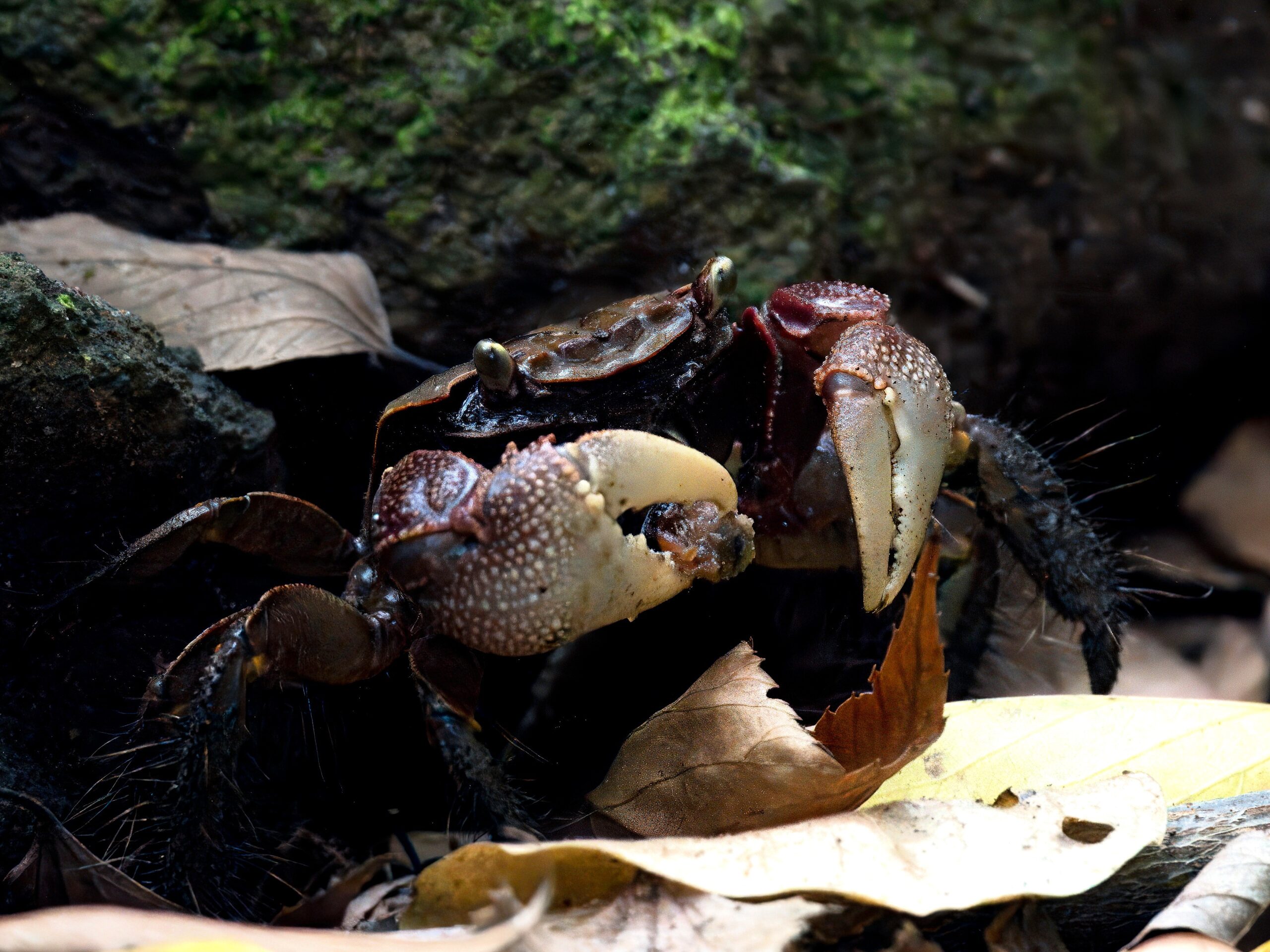
We were delighted to find that every nook and cranny of the bird hides was crawling with tiny, sneaky residents—adorable little crabs! These shy creatures came in a variety of colours and sizes, each one scuttling off in classic crab fashion whenever we approached too closely. A poster on the wall helpfully illustrated the three crab species we might encounter.
These were the Red-clawed Crab…
…the Red Flower Crab (Benkei Crab)…
…and the Black Benkei Crab.
Continuing our stroll, we arrived at a large pond featuring strange-looking bird hides that looked like sandy huts…

…each fitted with small rectangular viewing slits for discreet observation.
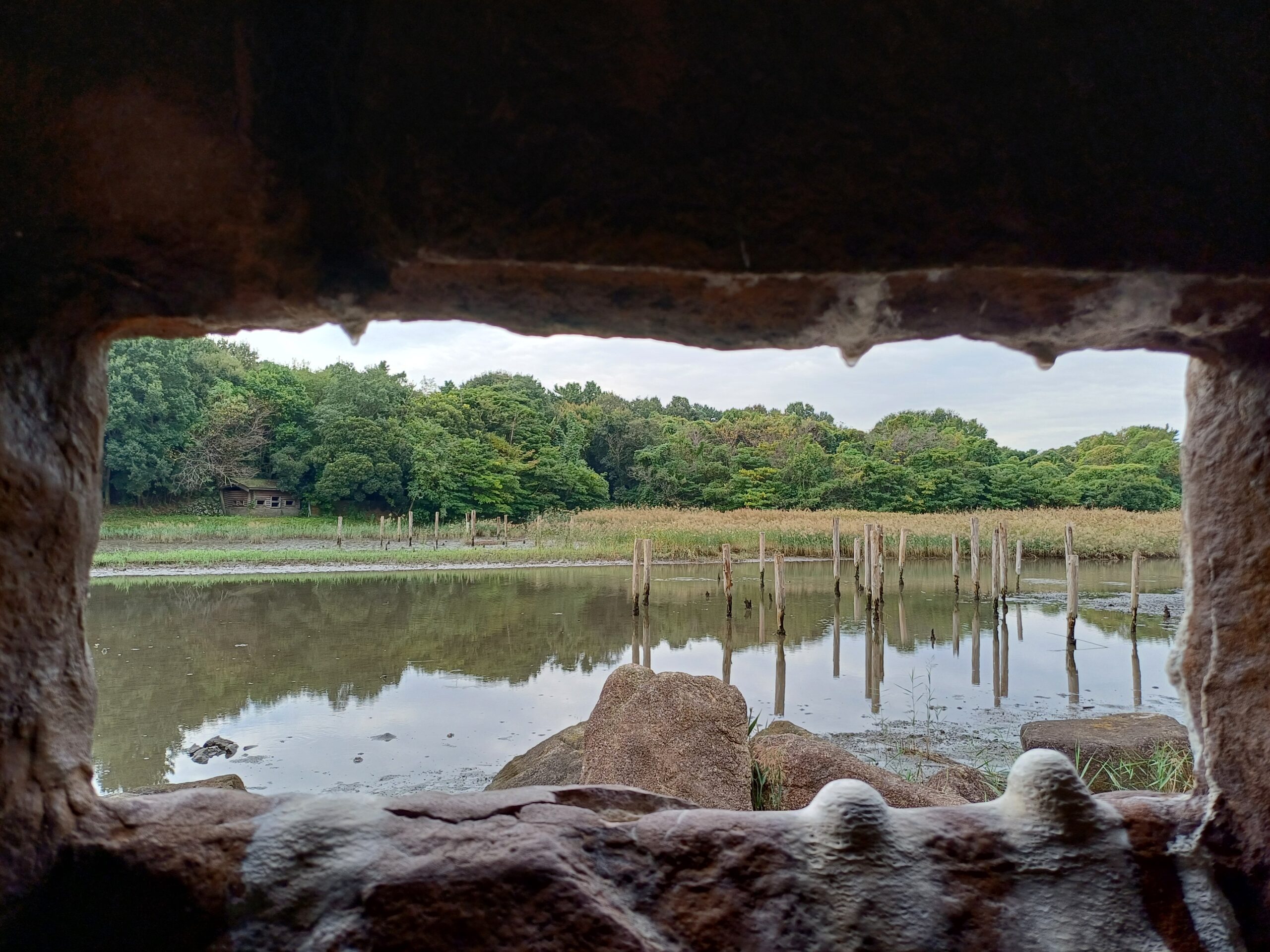
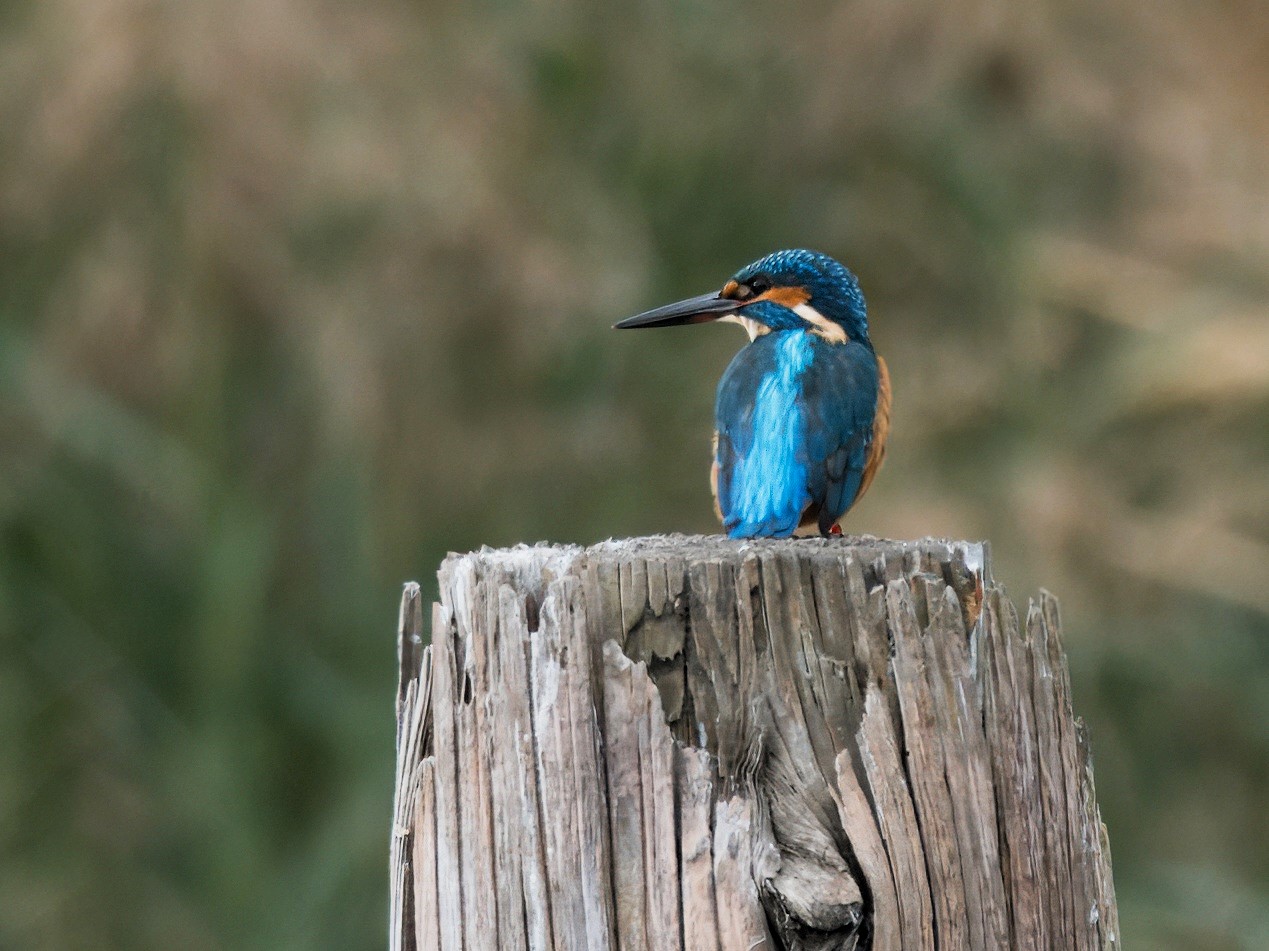
Peering through one of these openings, we were rewarded with a Common Kingfisher perched elegantly on a wooden post, its keen eyes locked onto the water below, poised for a swift dive.
A sandy trail led us toward the coastline, where we hoped to spot gulls and cormorants along the shore.

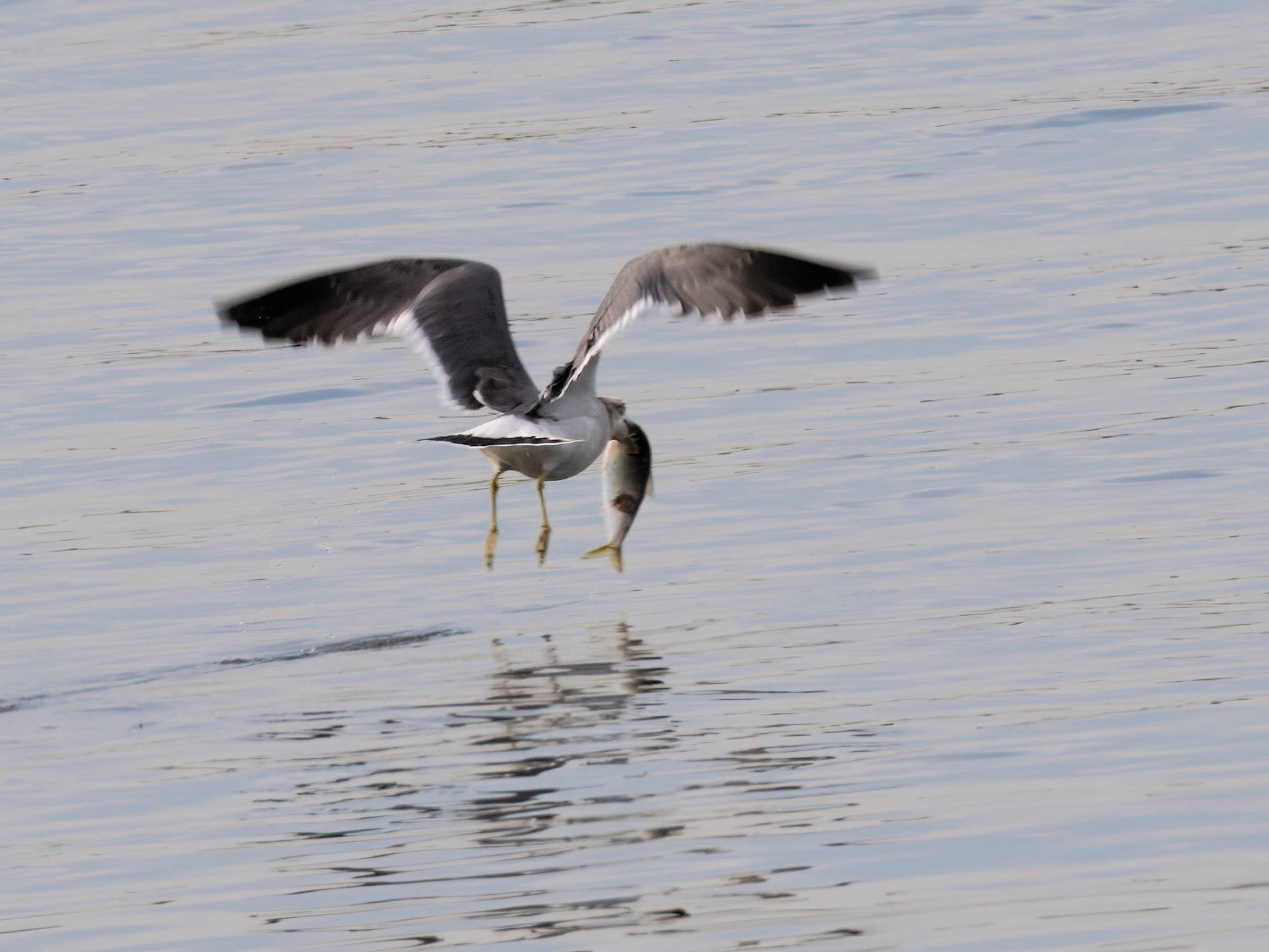
There, Black-tailed Gulls were already hard at work…
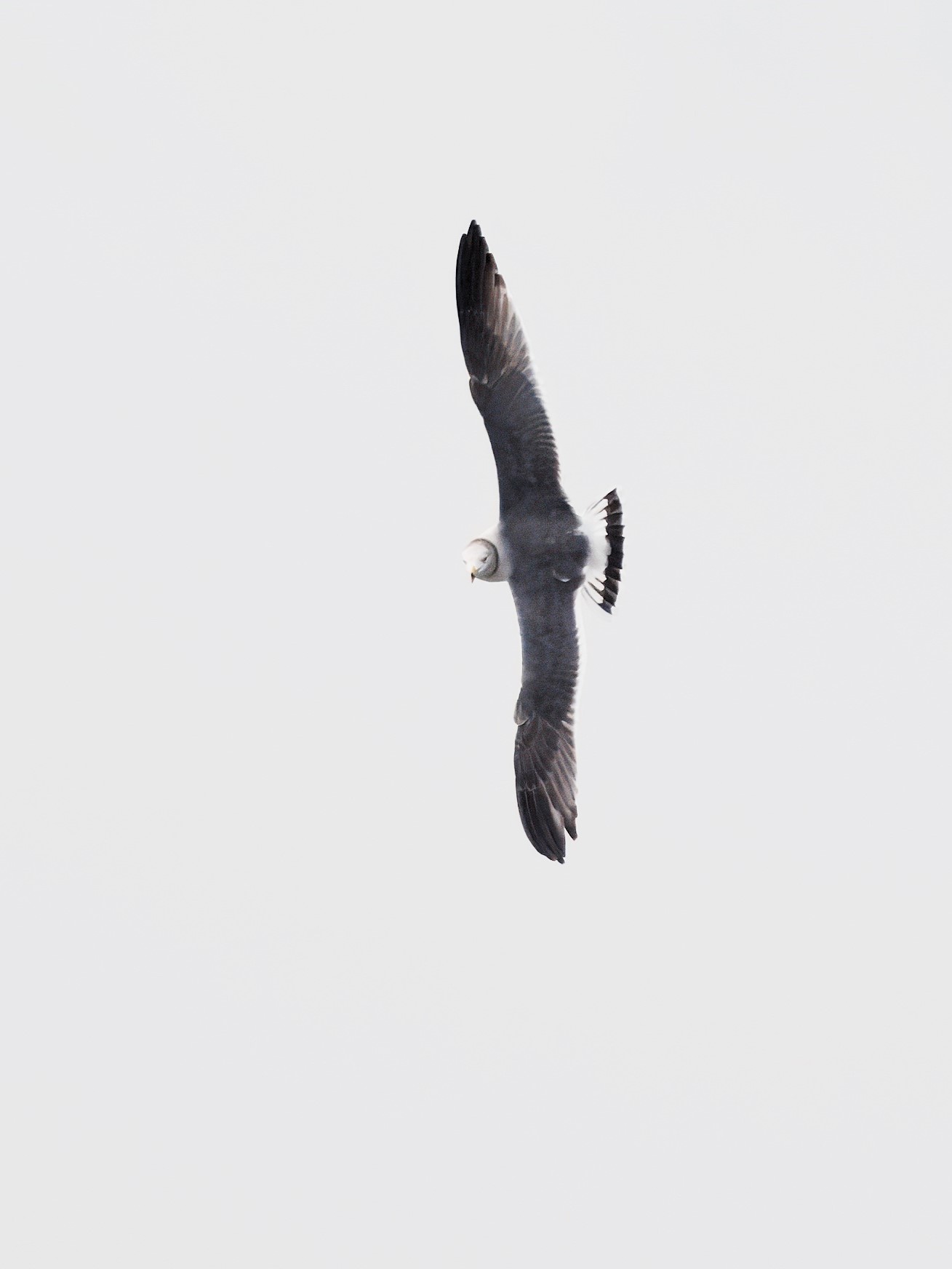
…dipping gracefully into the sea to snatch up their fresh “sashimi” breakfast.
With only a short window to explore the park that morning, we brought our walk to a timely close just before 9am, making sure we got back to the hotel in time for breakfast buffet.
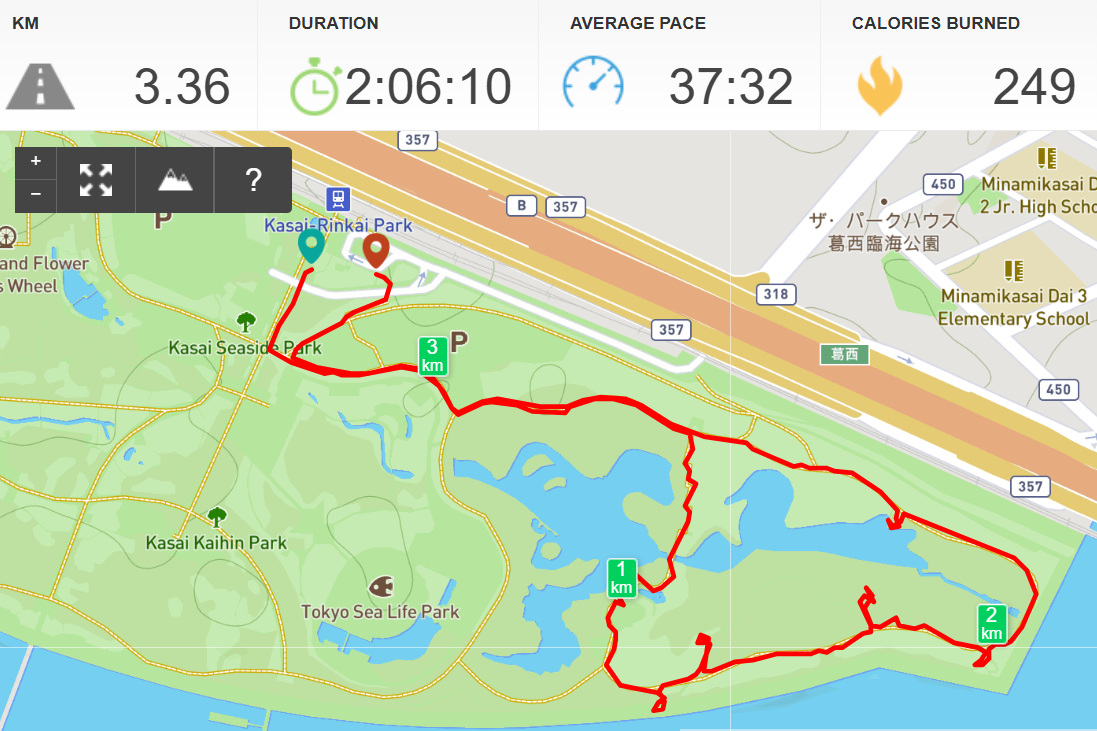
On our second day at Kasai Rinkai Park, we made a beeline for the Sea Bird Centre, where we were promptly greeted by a respectable assortment of educational displays informing us about the seabirds that inhabit the park.

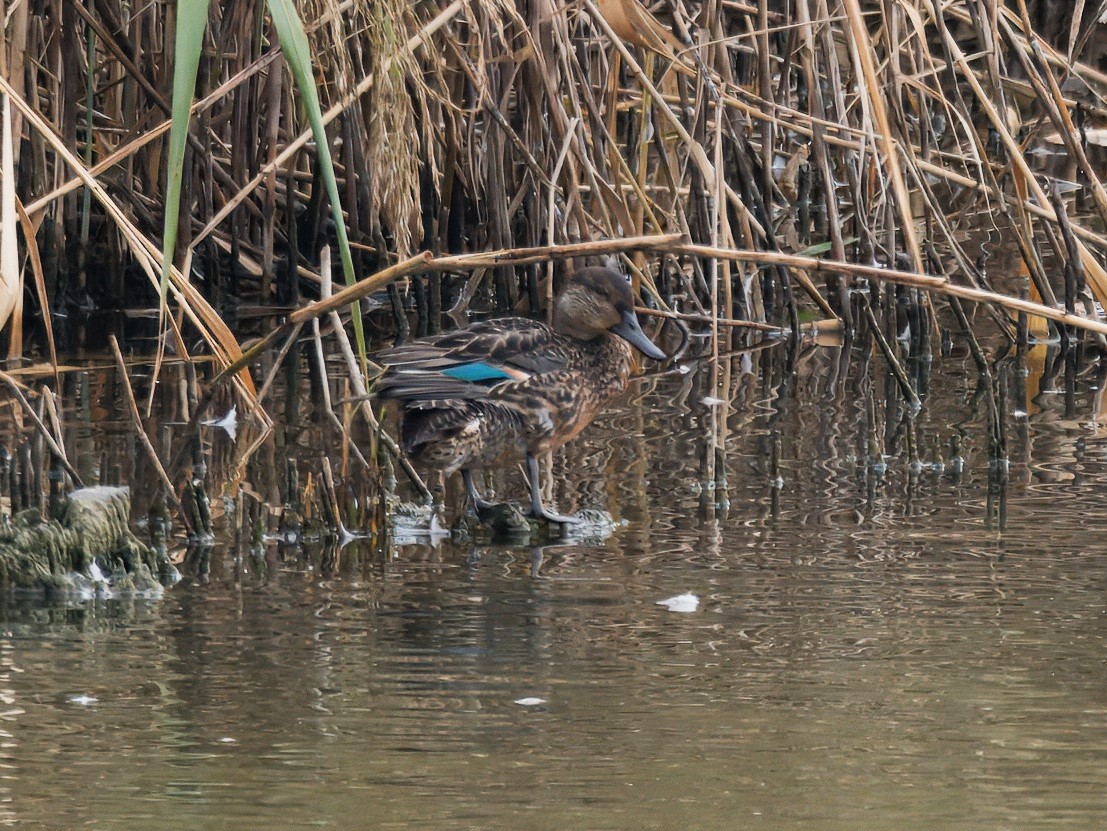
From the observation deck on the upper floor, we were treated to wide, uninterrupted views of the main pond to the west and a shallower pond to the east. It also turned out to be an excellent birding perch where we could watch the waterbirds drift elegantly across the surface, including the Green-winged Teal…
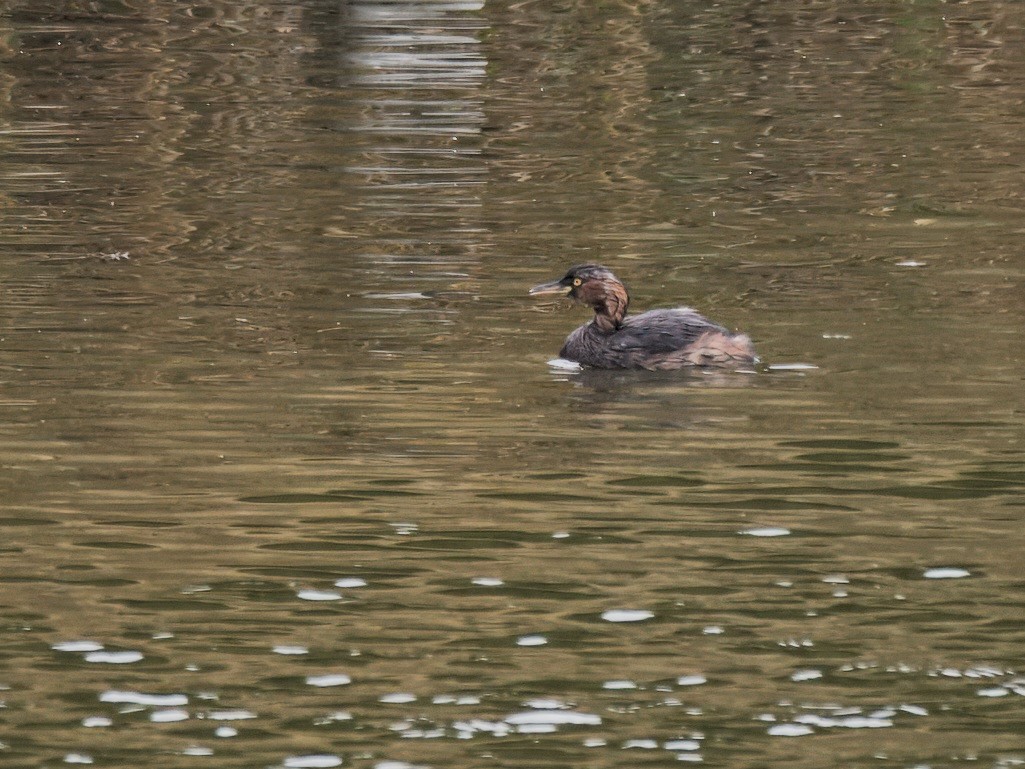
…the Little Grebe…
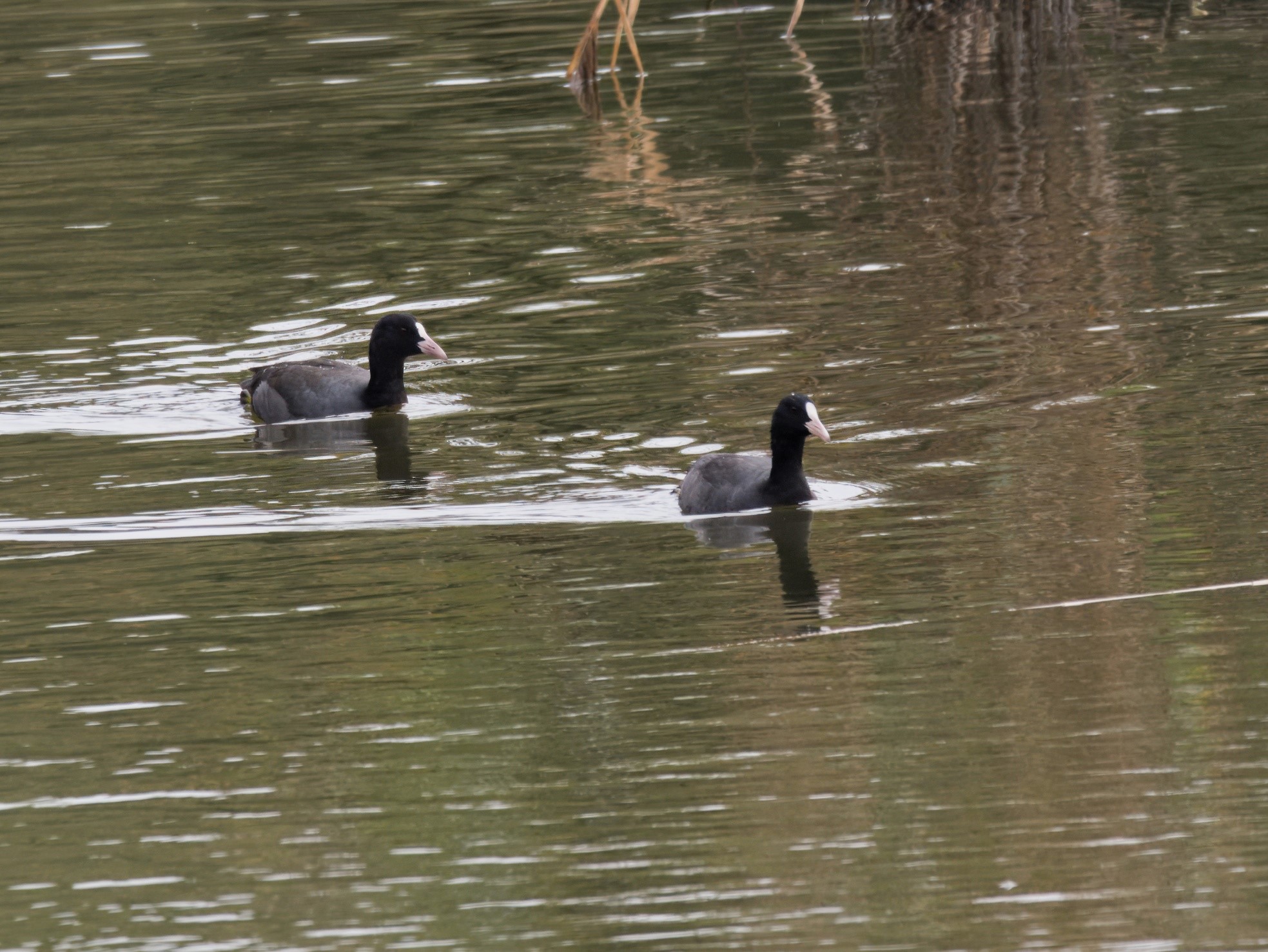
…and the Eurasian Coots, all putting on a surprisingly calm show.
Our next stop was the small islands situated at Tokyo Bay within the park. To reach West Island, we had to cross the Kasai-Nagisa Bridge, which is open from 9am to 5pm.

On the way there, we spotted another birdwatcher locked in intense concentration, pointing his spy equipment at something on the breakwater.

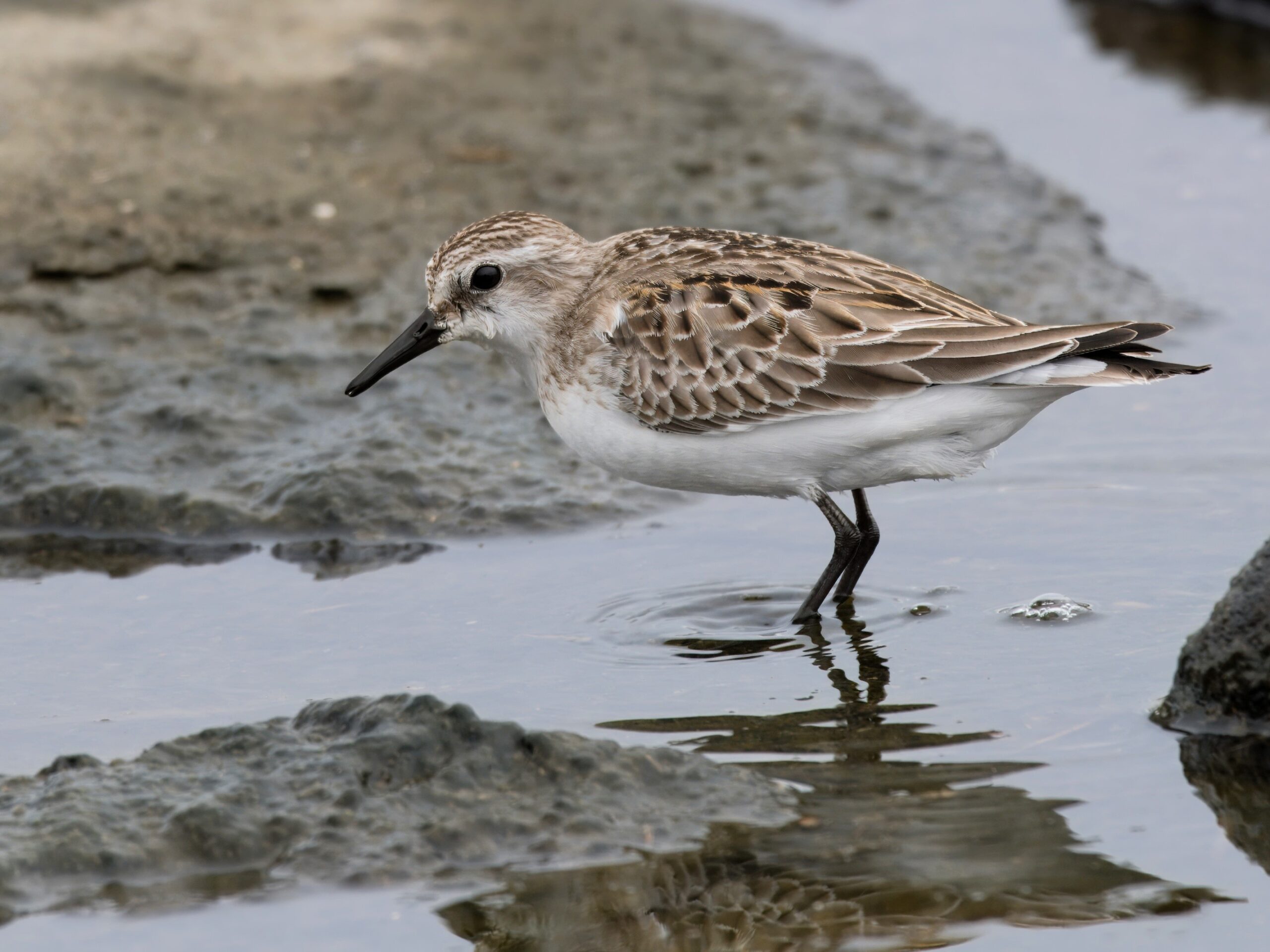
A closer look revealed a group of four Red-necked Stints busily foraging. We edged closer with appropriate birdwatching etiquette—slow, careful, and pretending we were absolutely not excited. To our delight, the stints seemed unusually relaxed, tolerating our presence with remarkable composure and granting us long, satisfying views.
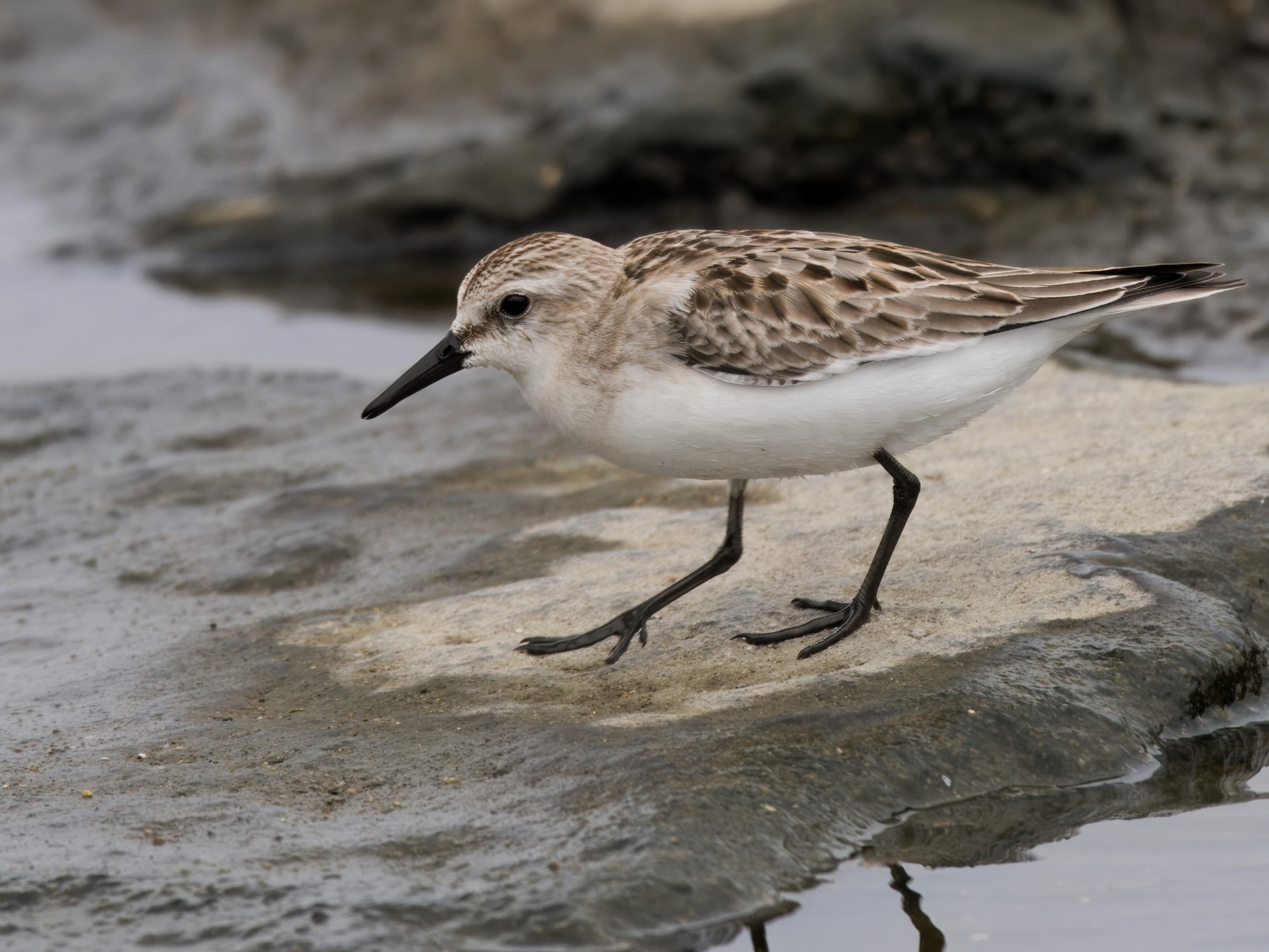
After our enjoyable encounter with the stints, we were just about to move on when a local birdwatcher came over with curiosity, and asked what we’d been looking at. We told her about the Red-necked Stints, and in return she kindly shared their Japanese name with us: トウネン (tounen)—a small but lovely souvenir to carry along our birding journey.
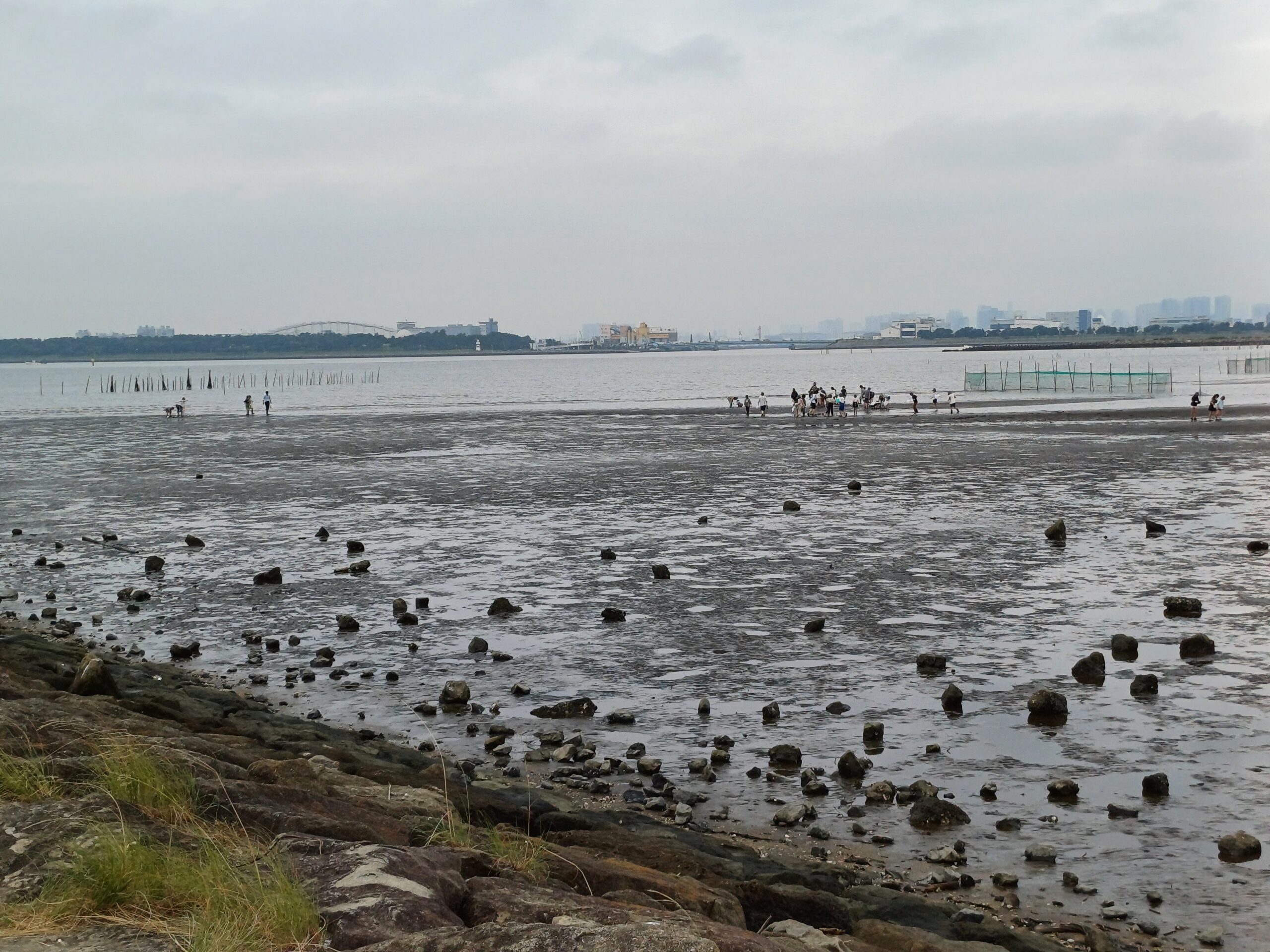
On West Island, clusters of people were scattered across the mudflat, likely on the hunt for clams and crabs in the shallows.
We headed over to the narrow causeway on the eastern edge of West Island, binoculars on the ready, in hopes of picking out birds on East Island. We weren’t alone—two other birdwatchers were already stationed there, scanning the scene with their scopes like seasoned sentries of the shoreline.
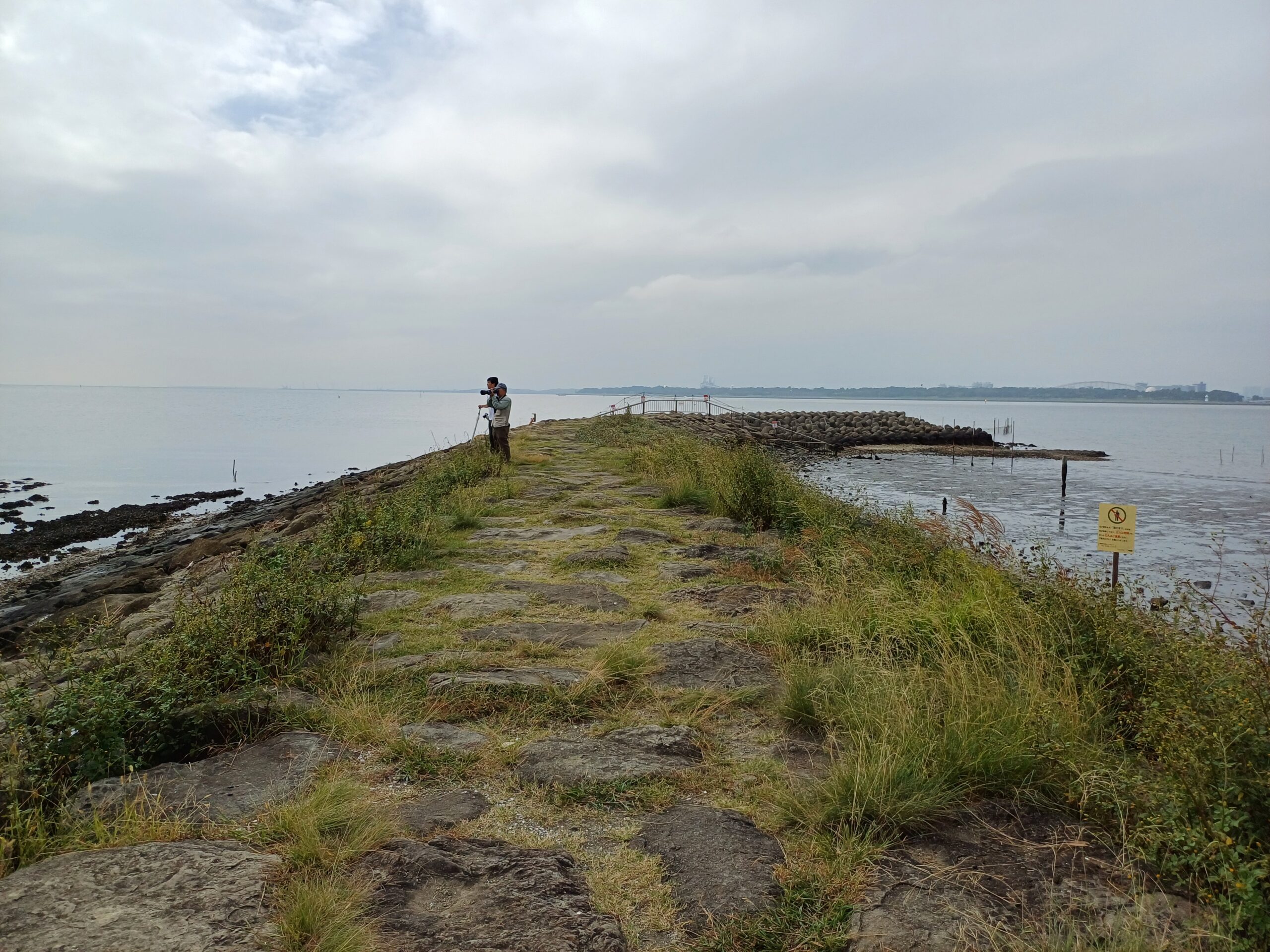
East Island, safely off-limits to visitors, serves as a quiet refuge for birds—shorebirds, herons, spoonbills, egrets, gulls, and terns alike. The catch is, observing them from West Island feels a little like peeking at them through a very distant window. The closest viewing spot on West Island’s eastern edge is still quite far away, and the birds often choose to feed and rest behind the breakwater, conveniently keeping themselves out of sight.

The only birds visible were a squabble of gulls loafing along the edge of the mudflats. Among the distant bustle, we could just about pick out the Black-tailed Gulls, Black-headed Gulls, Vega Gulls, and Slaty-backed Gulls, all blending into a rowdy crowd.

Between East and West Islands lies a small stretch of volcanic mud…

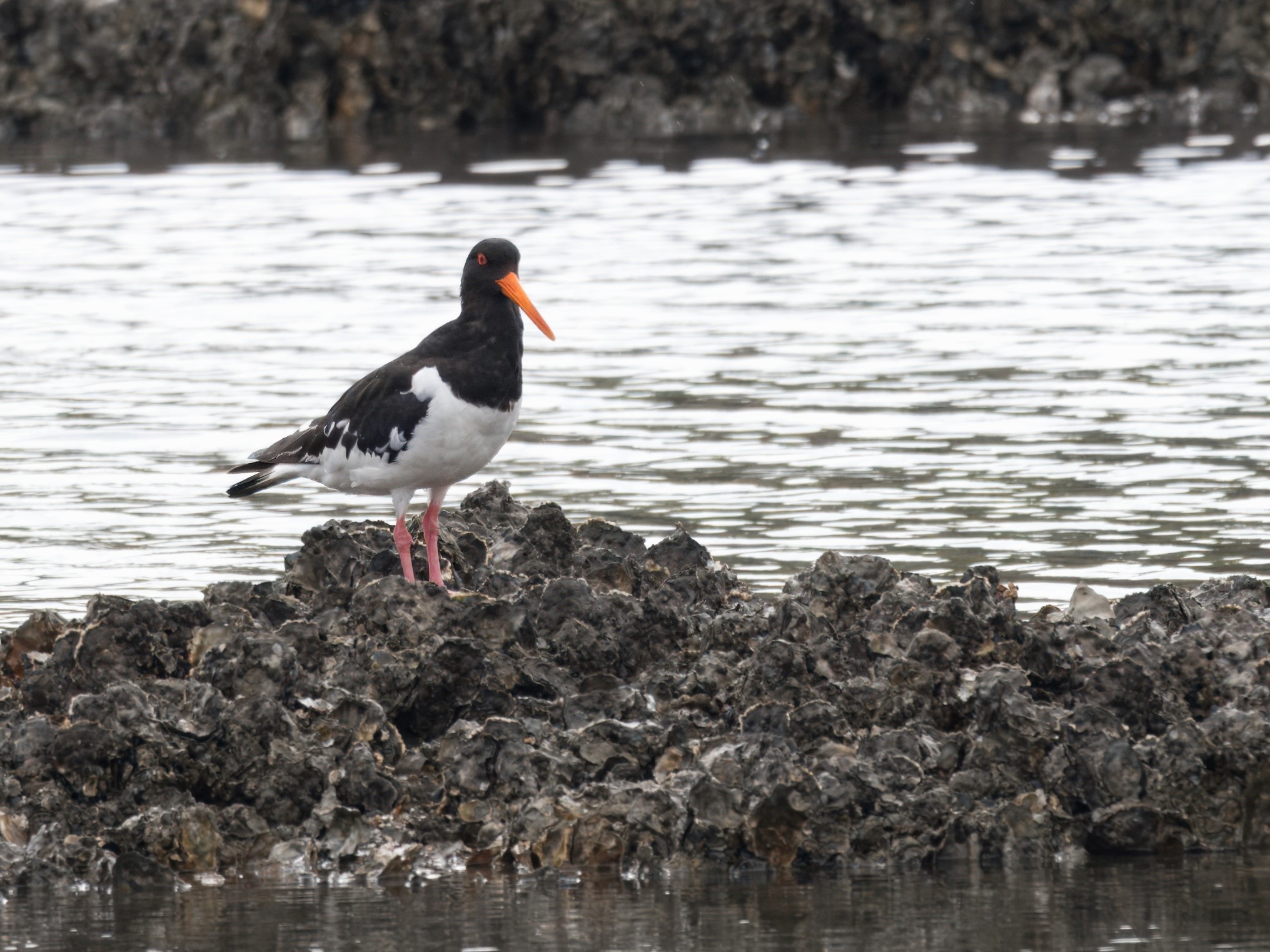
…home to a solitary Eurasian Oystercatcher…
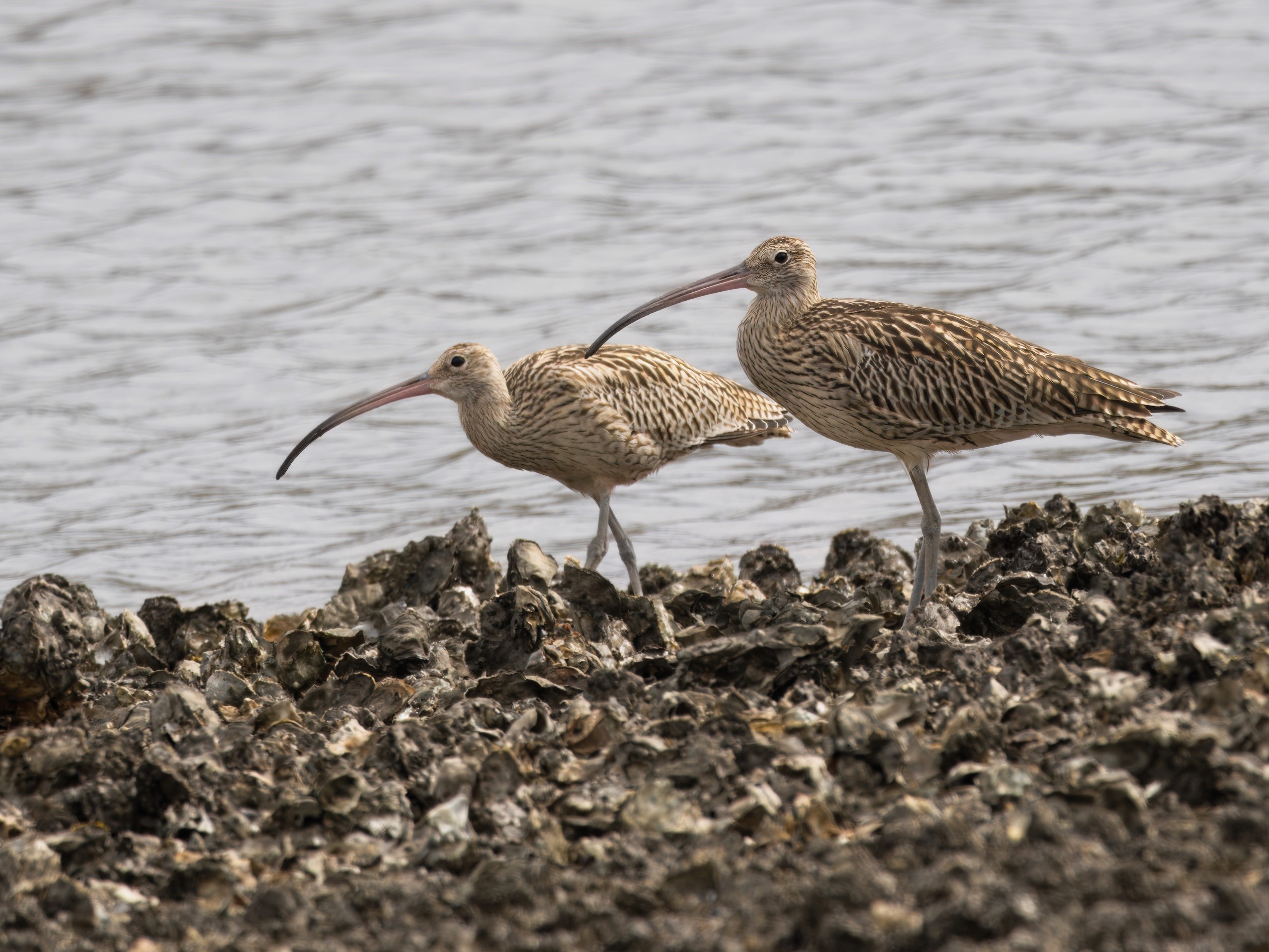
…and a pair of Far Eastern Curlews, both methodically probing for their next meal.
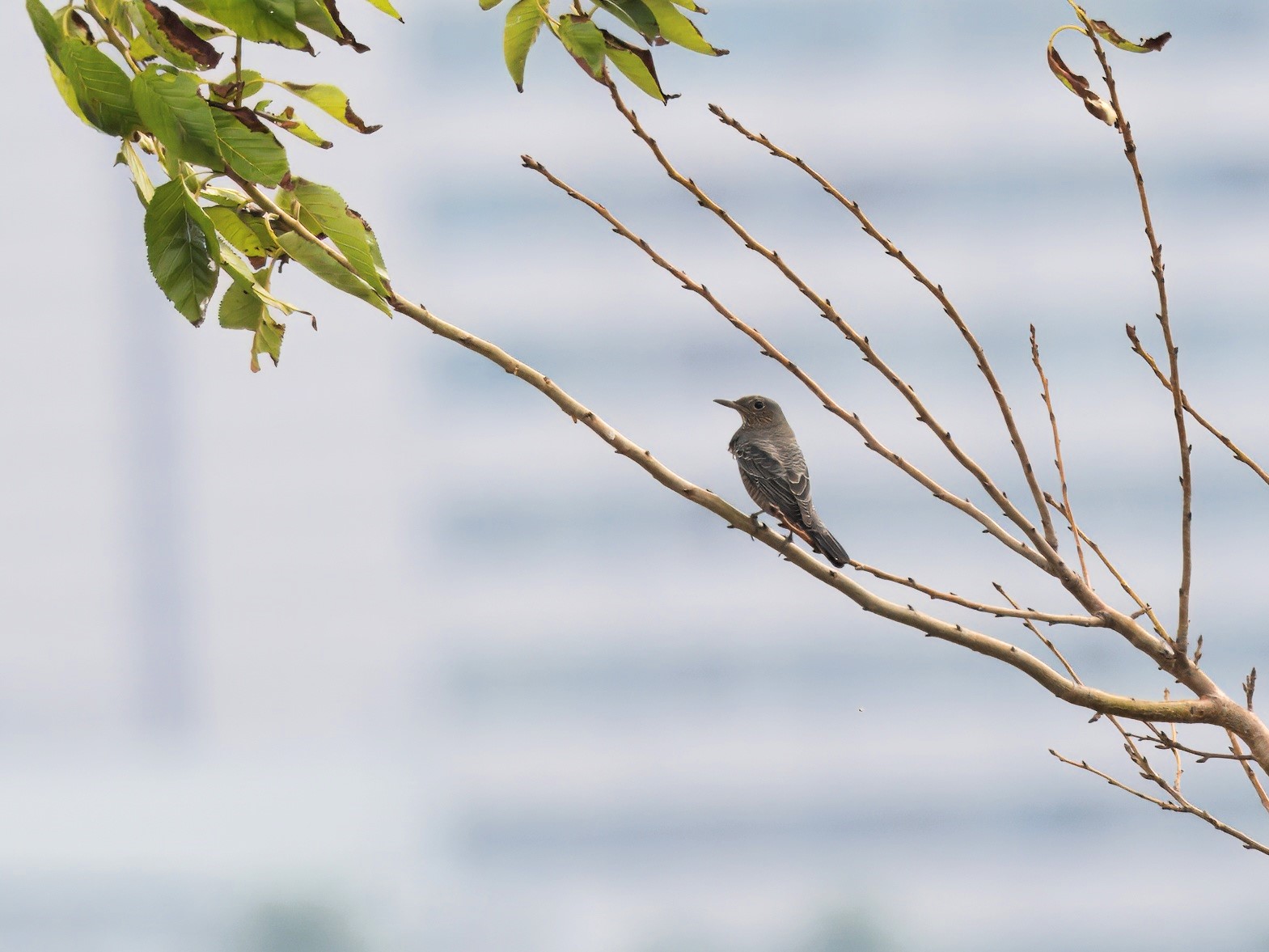
From a distance, we also spotted a Blue Rock-Thrush perched on East Island, its silhouette sharply etched against the landscape.
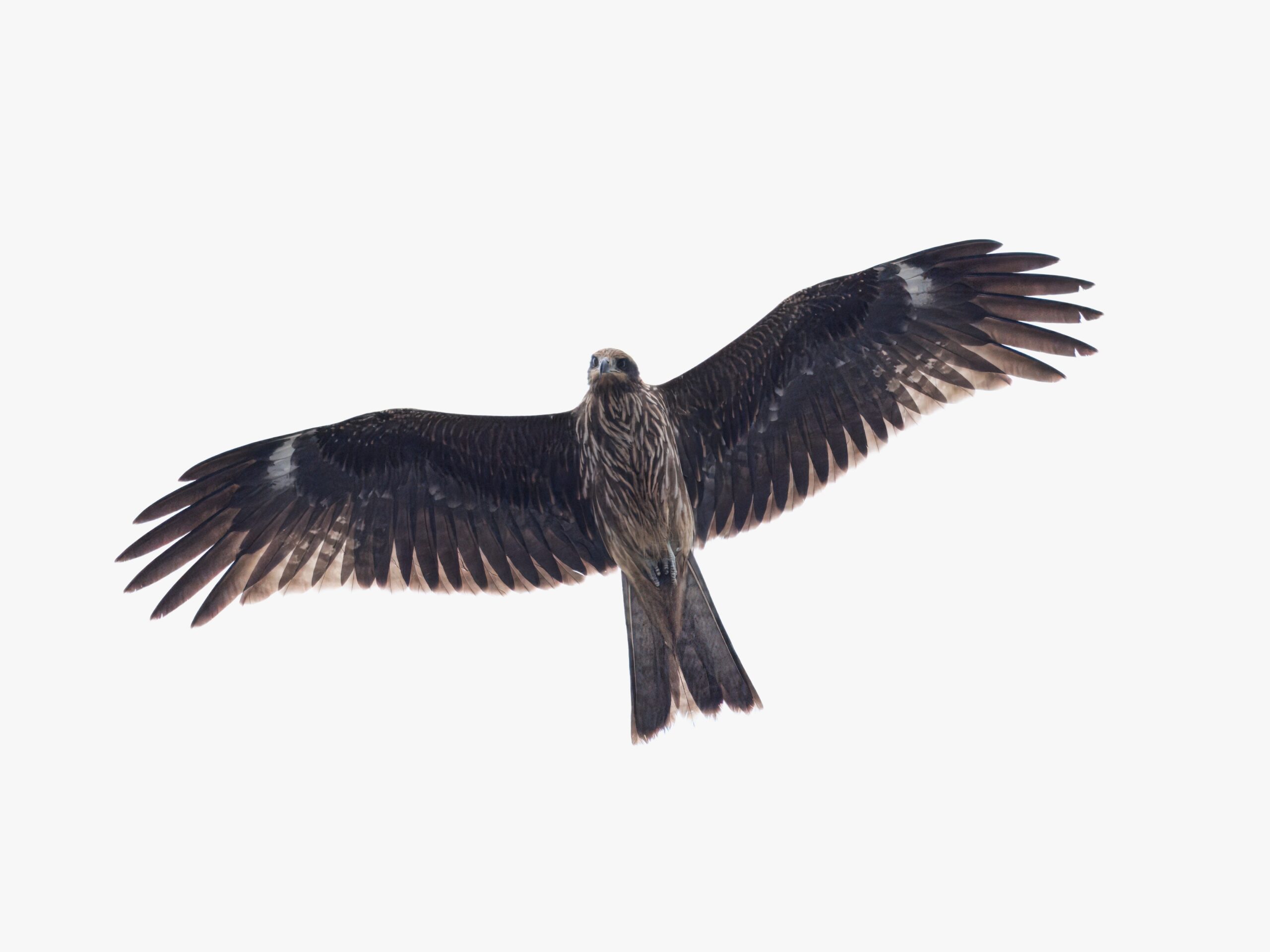
Above it all, a Black Kite drifted in lazy circles, occasionally tilting its curious gaze toward us as if pondering, “Can eat?”
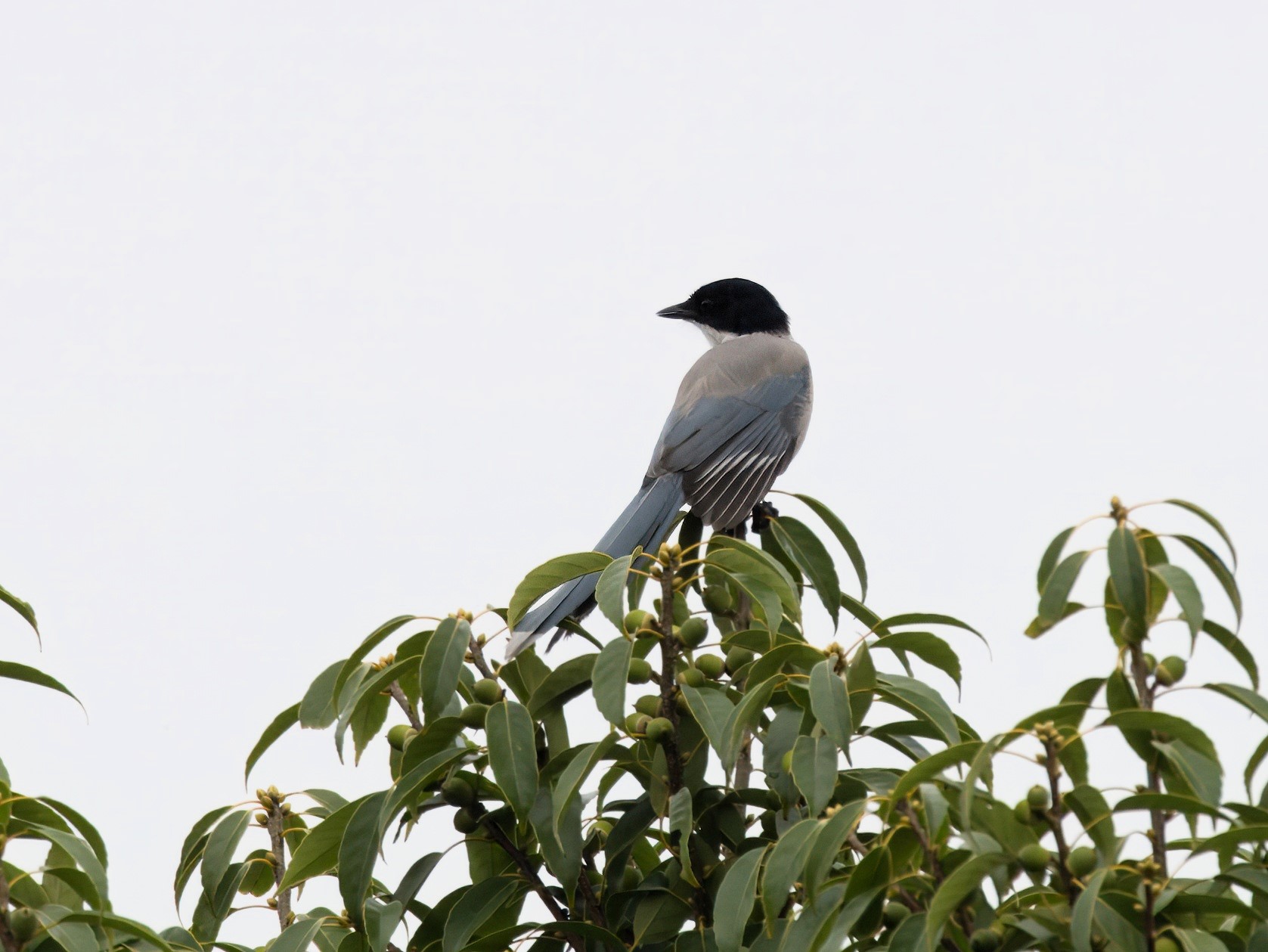
When it came time to depart, we shuffled toward the bus stop slightly disappointed, our dream of sighting the Azure-winged Magpie still unfulfilled. Every step felt like we were dragging our expectations along the pavement with us, half-hoping for a last-minute miracle. And then, just as we were about to cross the road, a long-tailed silhouette glided into a tree next to us. My camera snapped up instantly, pulse accelerating as flashes of azure wings and a black head popped into view. But just as quickly as it arrived, it vanished into a distant tree.
“Dang!” escaped before I could lock onto my target.
And then, as if offering a second chance, another magpie came along and landed on the very same perch—just generous enough to spare me a few seconds for a record shot.
Finally, we could head home with hearts full and spirits soaring.
